

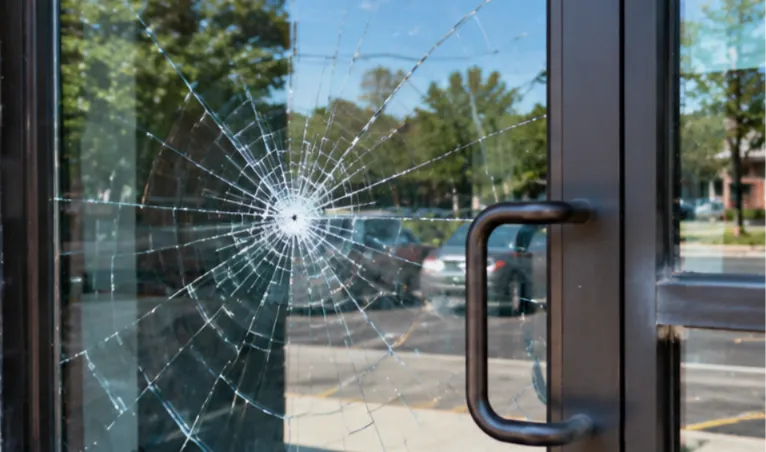

A cracked or shattered pane in a door raises one question first: are you buying a quick glass swap or a whole new door? The gap between those outcomes is large in both cost and disruption, and guessing wrong sends you shopping for the wrong thing. This guide works through when glass-only is enough, when it is not, and how to tell which case you are in before anyone quotes you.
In most cases you can replace just the glass and keep the door, frame and hardware, because the pane sits inside a frame or sash as a separate component. The whole door only has to go when the frame is warped, rotted or broken, when the door no longer seals, or when the glass is fused into a sealed unit that cannot be separated from a failing frame. One fixed rule: door glass must be tempered or laminated safety glass by code, whatever you replace it with.
What Does Replacing Just the Glass Actually Involve?
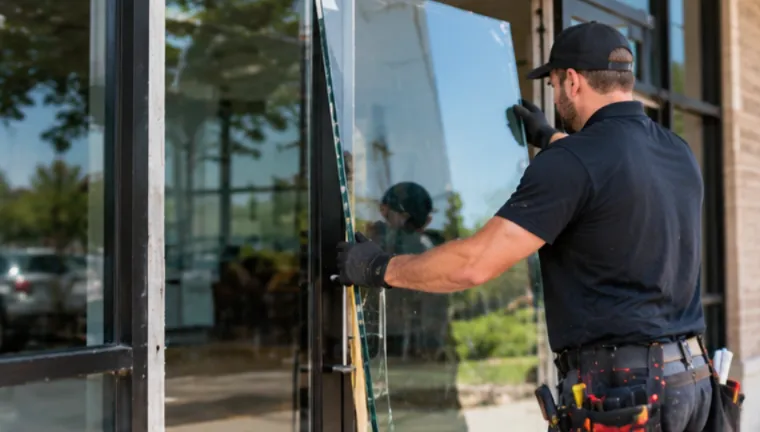
The job swaps the pane or insert, not the door. Old glass comes out of its moldings, stops or glazing channel, the opening is cleaned, and new glass is set and secured. For a single fixed pane or decorative insert, the door often stays on its hinges.
Timing hinges on whether the glass is on site. Most insert installations finish in under an hour once the right product is in hand and measurements match. A sealed insulated unit or custom-cut pane must be measured, ordered, and fitted on a return visit, stretching the calendar though fitting stays quick.
The glass is cut to the existing opening, sized slightly smaller than the gap between moldings so it seats without binding or cracking under pressure. That is why a reputable installer measures rather than eyeballs. Get the size right and the door you kept behaves exactly as before.
Until the new glass goes in, leave loose shards in the frame alone. Tape over the cracked pane or cover it from both sides, sweep up fragments with gloves and closed shoes on, and keep kids and pets away from the door.
Glass-only is the default answer, not the only one. Certain frame and hardware conditions do force a full door, and the rest of this guide helps you tell those apart from a straightforward break, so you know which quote to ask for.
When Should You Replace the Entire Door Instead of Just the Glass?
Replacing only the glass is usually possible when the door, frame, and hardware are still in good condition. If the surrounding structure is damaged or the door no longer operates properly, installing new glass may not solve the underlying problem. Here are four situations where a complete door replacement may make more sense.
The Door Frame Is Warped, Rotted, or Structurally Damaged
A door frame needs to remain stable and properly aligned to support the glass securely. If the frame is warped, split, or weakened by wood rot, replacement glass may not fit correctly or maintain a reliable seal. When the structural damage cannot be repaired effectively, replacing the entire door is often the better option.
The Door No Longer Closes, Seals, or Locks Properly
If a door sticks, leaves gaps, allows drafts, or refuses to latch, the problem may involve worn hinges, damaged hardware, or frame misalignment. Some issues can be corrected with adjustments or hardware repairs. When the door is severely damaged or no longer fits its opening properly, replacement may be necessary.
The Glass and Door Assembly Cannot Be Repaired Separately
Some door systems use specialized glazing assemblies where the glass, seals, and surrounding components are designed to work together. If these components are damaged or cannot be separated without compromising the assembly, replacing only the glass may not be practical. A technician should inspect the system before recommending a complete replacement.
The Door Is an Older or Discontinued Custom Design
Older homes in Washington, DC, often have entry doors with custom dimensions, decorative glass, or discontinued framing components. Finding a matching replacement insert may be difficult, particularly when the original frame is also damaged. If suitable replacement components are unavailable, installing a new door may be the more practical long-term solution.
If your door frame, glass fittings, and hardware are still in good condition, ask for a glass-only estimate before committing to a new door. When the door itself is beyond repair, a full replacement is the better place to spend your money. Having the glass and door assembly assessed together helps you avoid paying for a replacement that does not address the actual problem.
How Do You Tell a Cracked Pane From a Failed Sealed Unit?
A crack and a seal failure look different once you know what to watch for. A crack is a visible line or shatter in a single layer of glass. A failed sealed unit shows as fog, haze or condensation trapped between two panes that you cannot wipe away, because the moisture is inside the unit where the inert gas and seal used to be.
The distinction matters because the fix differs. A cracked single pane is a direct swap. A fogged insulated glass unit means the perimeter seal has broken down, and the whole sealed unit is replaced as one piece, not a single layer. Seal warranties vary by manufacturer, often 10 to 20 years, so fogging on a newer door may still be covered.
| What you see | Likely cause | What the fix is |
|---|---|---|
| A clean crack or shatter line | Impact or stress on one pane | Swap that pane or insert |
| Fog or haze between two panes | Failed insulated unit seal | Replace the whole sealed unit |
| Moisture that wipes off outside | Surface condensation, not failure | No glass work needed |
Press a cloth to the haze. If it clears, the glass is fine and you have a humidity issue; if it does not, the seal is gone. Knowing which one you have lets you ask for the right repair instead of being sold the bigger one.
Does the Answer Change for a Sliding Patio or Front Entry Door?
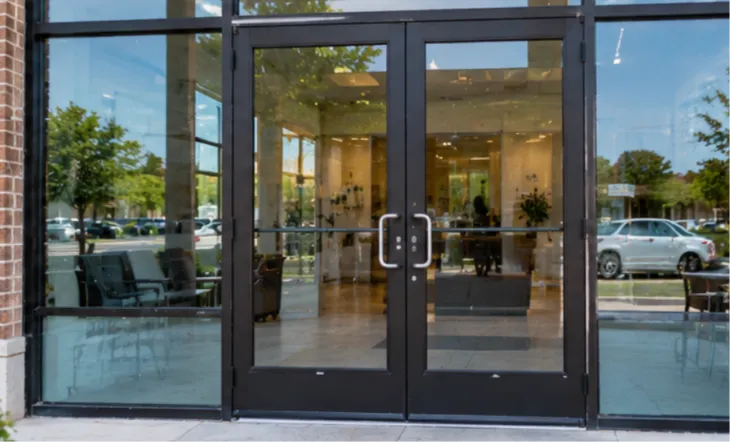
Yes. The type of door affects how the glass is installed and whether it can be replaced separately. Sliding patio doors and front entry doors use different framing and glazing systems. In many cases, you can keep the existing door and replace only the damaged glass, provided the surrounding structure is in good condition.
Sliding Patio Doors
Sliding patio doors commonly use double-pane insulated glass units fitted inside a movable door panel. If the glass cracks or the seal fails, the complete insulated unit can usually be replaced without removing the entire door or disturbing its track. Bent frames, damaged tracks, or worn rollers may need more work, and when the panel itself is past saving, sliding glass door installation and replacement is the cleaner fix.
Front Entry Doors
Front entry doors often have decorative glass inserts, sidelights, or individual glass panels held in place by retaining frames. These components can usually be replaced independently when the door slab and surrounding frame remain structurally sound. If the door itself is warped, rotted, or damaged around the glass opening, a full door replacement may be the better option.
Regardless of the door type, the condition of the frame, glass fittings, and hardware determines whether glass-only replacement is practical. Before requesting an estimate, take clear photos of the damaged pane and the surrounding door. This gives a glass professional useful information to assess the job and recommend the appropriate repair.
What Changes for a Storefront or Commercial Glass Door?
Storefront and commercial glass doors usually sit in aluminum framing built to hold individual glass panels, so a damaged panel can often be swapped while the door, closer and pivots stay put. The frame, glazing stops, closer and locks still get checked, because new glass will not fix a door that drags or will not latch. If the hardware is the real problem, commercial door repair in Washington, DC sorts that out before the new panel goes in.
When a pane breaks out overnight, the opening cannot wait for glass to arrive. Emergency board-up service secures the storefront the same night, so the business stays protected while the correct safety glass is sourced.
Why Does Door Glass Have to Be Safety Glass?
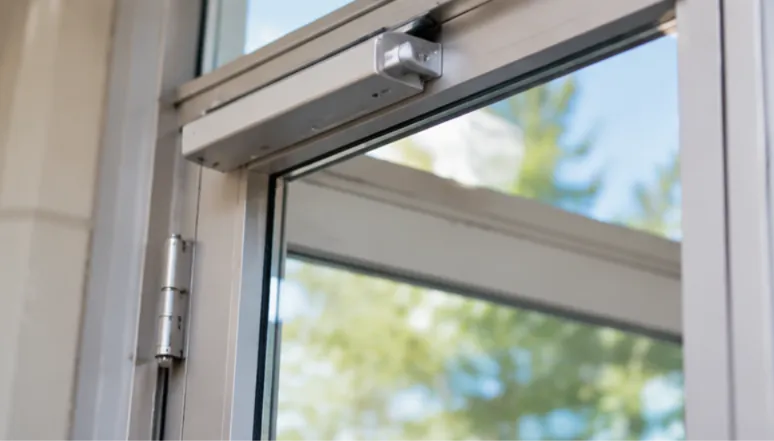
Door glass must meet specific safety glazing requirements because doors and nearby glass panels are areas where people may accidentally walk into or fall against the glass. Ordinary annealed glass can break into large, sharp pieces, increasing the risk of injury. That is why the International Residential Code (section R308) treats glass in doors as a hazardous location that requires safety glazing. Tempered and laminated safety glass are designed to reduce that risk in different ways.
Tempered glass is heat-treated to increase its strength. When it breaks, it typically shatters into smaller pieces rather than long, sharp shards. Laminated glass consists of multiple glass layers bonded with a plastic interlayer that helps hold broken pieces in place. The appropriate option depends on the door’s location, design, and applicable building code requirements.
According to This Old House, ordinary plate or decorative glass should not be used where safety glazing is required. Replacement options may include tempered, laminated, insulated, Low-E, or decorative glass, but the selected product must meet the applicable safety requirements for that particular door. A qualified glass professional can help identify the correct specification before ordering replacement glass.
Why Choose American Glass and Doors in the DMV?
A cracked door pane does not always mean a new door. At American Glass and Doors, we check the glass, frame, seals, rollers, hinges and locks together, then tell you plainly whether new glass, a repair or a new door makes sense. We measure the opening before we quote, so the glass you order is the glass that fits.
We serve homeowners and businesses across DC, Maryland, and Virginia. Our residential glass work covers entry door, patio door and window glass. Glass and door hardware are handled by the same team, so you are not coordinating separate contractors.
Not sure whether your door needs new glass or a full replacement? Call (571) 583-8882 or request a free estimate, and we will take a look before you spend money on the wrong fix.
Frequently Asked Questions
Can I upgrade from single-pane to insulated glass when I replace a door pane?
Yes, in many cases. The existing door frame or sash must have enough depth to accommodate a thicker insulated glass unit. If it cannot, you may need a replacement sash or door. Have the opening measured before choosing an upgrade.
Can you replace one pane in a double-pane sliding door?
Not usually as an individual layer. Double-pane sliding doors typically use a sealed insulated glass unit, so the complete unit must be replaced if either pane cracks or the seal fails. The existing door, frame, rollers, and locking hardware can usually remain in place.
Can you replace the glass in a front door sidelight?
Usually, yes. Sidelight glass sits in its own frame beside the door, so the panel can often be replaced without touching the door slab. It still needs safety glass, and decorative or leaded sidelights may need a custom-made match, so have the opening measured first.
How much does replacing just the glass cost compared to a whole new door?
Glass-only replacement is generally more affordable because you keep the existing door, frame, and usable hardware. A full replacement adds the cost of a new door and installation. That said, damaged frames or hardware can make replacing the entire door necessary.
My frame looks fine but the door sticks. Is the glass the problem?
Usually not. A sticking door is more commonly related to misaligned hinges, worn rollers, damaged hardware, or a shifted frame. Replacing the glass will not correct these problems. Have the door’s alignment and hardware inspected before deciding which repair it needs.