


Washington, DC’s Go-To Commercial Door Repair for Security and Code Compliance
Commercial door problems in Washington, DC, affect more than doors; they influence security, energy use, customer access, and code compliance. Prompt, correct protects revenue and reduces liability.
This guide walks through the commercial door services available across the DMV, explains how emergency commercial door repair in DC is handled, lists common hardware symptoms and quick fixes, and shows when professional installation or upgrades are the smarter investment.
Comprehensive Commercial Door Services in Washington, DC: Keep Your Business Secure and Efficient
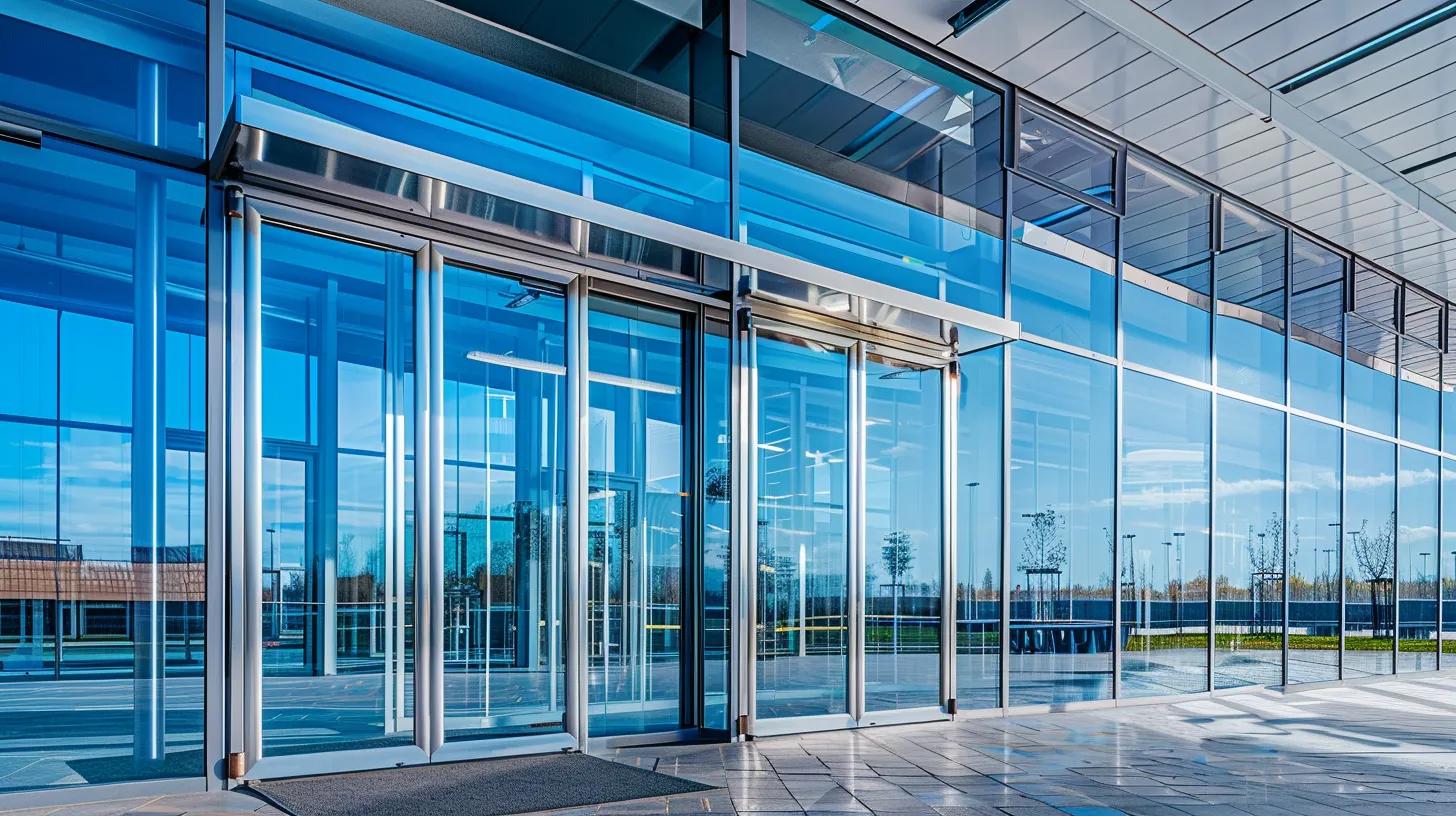
Your business depends on doors that work reliably, keep customers safe, and meet code requirements. In Washington, DC, commercial door problems, from shattered storefront glass to malfunctioning automatic operators, can disrupt operations and compromise safety.
Understanding the types of repair services available, which doors require regular maintenance, and how emergency repairs are handled helps facility managers take proactive steps.
Essential Commercial Door Repair Services in Washington, DC
Common in the Washington, DC area include:
- Storefront glass and framing repair – Fixes shattered tempered panels and thermal seal failures.
- Commercial glass door replacement – Replaces damaged or unsafe glass doors quickly.
- Hollow-metal and aluminum door restoration – Addresses corrosion, warped frames, dents, and misaligned locks.
- Automatic door operator maintenance – Keeps sensors, motors, and controls functioning properly.
- Hardware replacement – Updates closers, hinges, locks, and panic devices for safety and code compliance.
Each service targets specific failure modes, such as thermal seal breakdown in storefronts, corrosion in aluminum doors, or hydraulic leaks and worn parts in closers that can compromise security and accessibility. A quick assessment usually determines whether a temporary secure closure is needed and whether same-day repairs or scheduled replacements are required to meet code and minimize business disruption.
Knowing these service categories helps facility teams prioritize emergencies, protect customers and staff, and limit downtime.
Quick Fix or Full Replacement? Decode Door Issues Fast
When managing commercial door repairs in Washington, DC, understanding which door types fail most often helps facility teams respond quickly, stay compliant, and avoid unnecessary downtime. The table below breaks down the most common issues and expected timelines so you can plan repairs with confidence.
| Door Type | Typical Issue | Typical Turnaround | Cost Band |
|---|---|---|---|
| Storefront glass | Broken tempered panels, failed seals | Same‑day temporary secure; 1–3 days for replacement | High |
| Hollow metal doors | Dents, frame warp, misaligned locks | 1–3 days for repairs; longer for full replacement | Medium |
| Aluminum doors | Corrosion, worn tracks, seal gaps | Same‑day adjustments possible; 1–5 days for parts | Medium |
| Automatic doors | Operator failure, sensor or control faults | Same‑day diagnostic; 1–3 days for repairs | High |
Using this breakdown, businesses can act early, reduce disruptions, and choose the most effective repair approach before minor issues turn into costly emergencies.
Types of Commercial Doors That Need Regular Maintenance and Repair
Commercial properties commonly need service for:
- Storefront glass and frameless systems – Often require reglazing, seal replacement, or frame adjustments after impact or thermal movement.
- Hollow-metal fire doors – Maintenance ensures fire-rated compliance and prevents warping or misalignment.
- Aluminum storefronts – Susceptible to corrosion from de-icing salts and moisture, requiring timely repair.
- Automatic sliding or swinging doors – Need routine sensor calibration and motor checks to prevent accessibility issues and ADA violations.
- Heavy rollup or service doors – Require inspection and lubrication to maintain smooth operation and safety.
Understanding material-specific weaknesses allows facility teams to schedule targeted inspections and reduce the likelihood of urgent, after-hours failures.
Fast and Reliable Emergency Commercial Door Repair for DC Businesses
Emergency commercial door repair typically follows a fast triage: you report the incident, the provider performs a safety assessment and secures the opening, and technicians apply a temporary fix while scheduling permanent repair or replacement.
For breaches that affect security or access, many local teams aim for and carry common parts for quick hardware swaps. Temporary measures may include boarding, installing replacement panic hardware, or setting automatic operators to a safe mode until full parts or glass arrive. While you wait, secure sensitive areas and document damage to reduce liability and speed the final remediation.
After immediate containment, request a full professional assessment to ensure long-term code compliance and to prevent repeat incidents. For dependable local response in the DMV, American Glass and Doors provides with same-day dispatch and can offer a free estimate or emergency service call.
Professional Commercial Door Installation in Washington, DC
Your commercial doors in Washington DC, do more than open and close; they protect your property, control energy costs, ensure ADA compliance, and shape the first impression customers get of your business. Professional installation isn’t just about replacing a worn-out door; it’s about maximizing security, improving efficiency, and reducing long-term maintenance headaches.
From insulated storefront glazing to automatic doors and high-security hollow metal systems, the right upgrades deliver measurable business benefits. Below, we break down the advantages of professional installation, the benefits of new storefront and glass doors, and how to determine when it’s time to upgrade to modern commercial door systems.
Benefits of Professional Commercial Door Installation for DC Businesses
Professional commercial door installation in Woodley Park Washington DC, improves security, energy performance, ADA accessibility, and curb appeal, delivering measurable benefits like lower utility costs, reduced liability, and a better customer experience. Professional installers also ensure installations meet fire and accessibility codes to avoid fines and operational interruptions.
| Upgrade Option | Upgrade Benefit | Business Impact |
|---|---|---|
| Insulated storefront glazing | Reduced heat transfer | Improved energy efficiency and comfort |
| ADA‑compliant automatic doors | Easier, safer customer access | Increased inclusivity and foot traffic |
| High‑security hollow metal doors | Better forced‑entry resistance | Less theft and lower liability risk |
Advantages of Installing New Storefront and Glass Doors
New storefront and glass doors offer several key benefits for commercial properties:
- Clearer sight lines – Improves visibility for employees and customers, enhancing safety and the overall experience.
- Improved thermal performance – Reduces drafts and energy loss, helping lower utility costs.
- Compatibility with modern hardware – Supports automatic doors, access control systems, and ADA-compliant upgrades.
- Upgraded glazing – Restores seals, reduces drafts, and increases security with options like laminated or tempered glass.
- Contemporary framing – Handles higher wind loads and supports enhanced safety features, such as security film.
- Proper installation – Minimizes recurring seal and alignment issues and usually includes manufacturer warranties and high-quality components from trusted partners like CRL.
Maximizing Security and Efficiency with Modern Door Upgrades
Consider upgrading when repairs become frequent, doors no longer meet ADA or fire code requirements, energy loss is noticeable, or security needs exceed temporary fixes. Lifespan varies by material, but repeated operational problems, visible corrosion, or chronic hardware failures are strong signs that replacement will be more economical long term.
Schedule upgrades during low‑traffic periods, plan phased installations to limit disruption, and provide temporary secure access where needed. A professional assessment will clarify whether repair or replacement offers the better ROI and minimal downtime.
For commercial installations, local commercial door experts in Washington, DC, handles project planning, transparent pricing, warranties, and free consultations across Washington, DC, Maryland, and Virginia, prioritizing durable materials and code‑compliant workmanship.
Mastering Commercial Door Hardware in Washington, DC
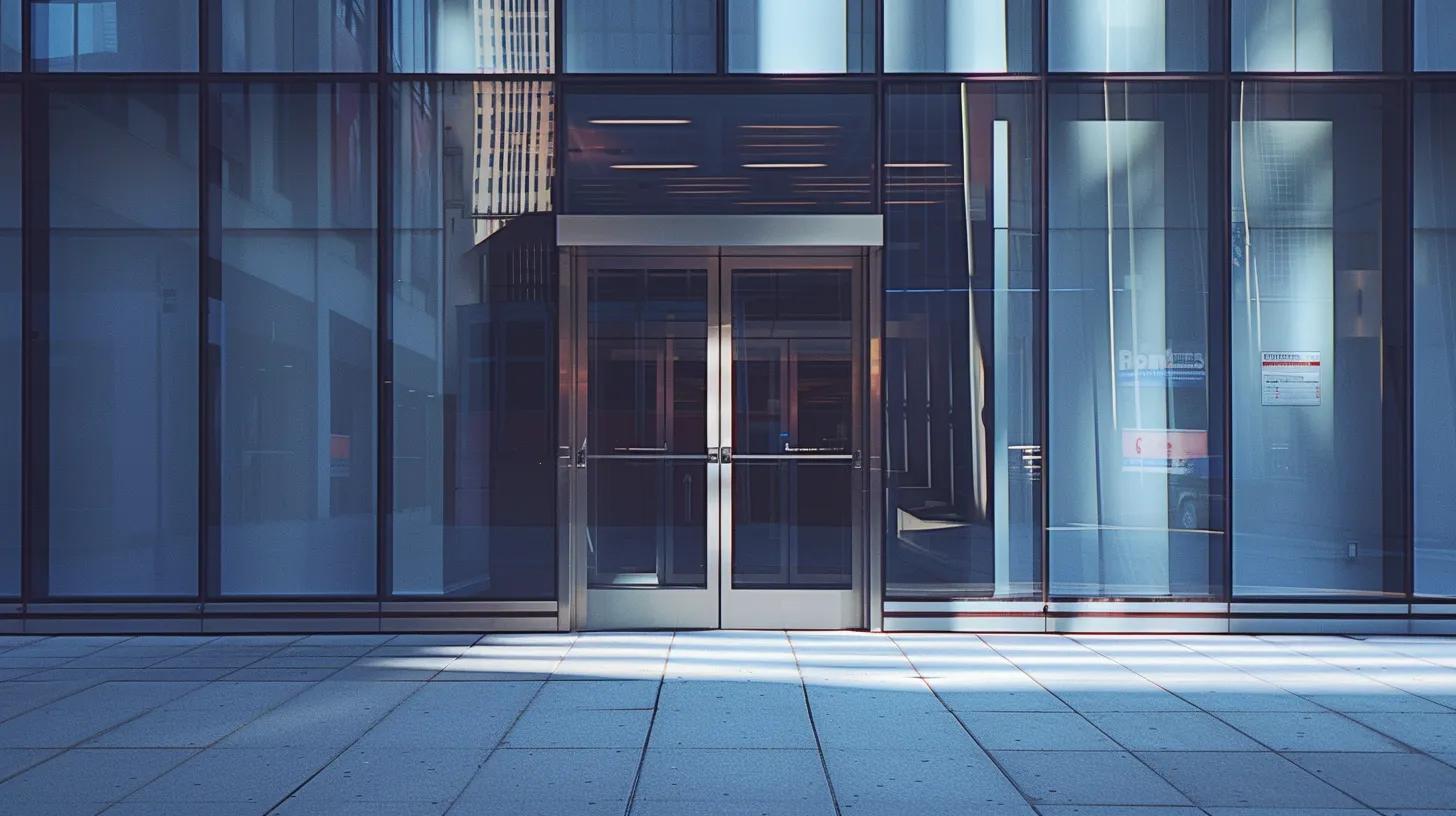
Properly functioning door hardware is essential for security, accessibility, and smooth daily operation in any commercial building. From door closers and hinges to locks and panic devices, small issues can quickly escalate into safety hazards, code violations, or costly emergency repairs.
Understanding common hardware problems, their early warning signs, and quick troubleshooting methods empowers facility managers to act before minor issues disrupt business. Below, we explore key hardware symptoms, practical fixes, closer troubleshooting, and maintenance practices that extend the life of your commercial doors in Washington, DC.
Common Signs and Solutions for Commercial Door Hardware Issues in Washington, DC
Typical hardware problems include:
- Door closers – Leaking or slamming, causing slow or incomplete closing.
- Hinges – Binding, squeaking, or worn, leading to sagging doors.
- Locks – Failure to engage or misalignment.
- Panic devices – Stickiness or failure to reset properly.
Early warning signs that require attention include:
- Odd noises when opening or closing doors
- Difficulty latching or incomplete closure
- Visible fluid from door closers
- Doors that close too slowly
Quick fixes often include:
- Tightening fasteners
- Realigning strike plates
- Adjusting closer valves for speed and latching
- Lubricating pivot points
If problems persist after these adjustments, component replacement or a code-compliant upgrade is usually required to maintain safety and compliance.
| Hardware | Symptom | Quick Solution |
|---|---|---|
| Door closer | Slamming or slow return | Adjust speed and latch valves; replace if leaking |
| Hinges | Squeak or sagging door | Tighten screws, fit shims, replace worn pins |
| Locks | Deadbolt misalignment | Realign strike plate, lubricate, replace worn cylinder |
| Panic device | Sticking or not resetting | Inspect linkage, adjust bar height, replace faulty parts |
Identifying and Fixing Door Closer Problems for Smooth Operation
Door closers often fail due to common issues such as hydraulic leaks, incorrect spring tension, or misadjusted valves, which can lead to doors slamming, closing too slowly, or failing to latch completely. To address these problems effectively:
- Inspect the closer carefully for visible oil leaks or signs of damage.
- Make incremental adjustments to the speed and latch valves, testing the door after each tweak to ensure smooth operation.
- Replace the closer if it continues to leak or cannot maintain proper closure, making sure it is properly rated for the door’s weight and traffic frequency. For fire doors, always use closers that meet code requirements.
Regular inspections and timely replacement not only prevent emergency calls but also keep high-traffic entrances operating smoothly. Additionally, ensuring that all doors meet accessibility standards is essential for public accommodations and commercial facilities.
Maintenance Practices to Extend the Lifespan of Commercial Door Hardware
A routine maintenance in Washington, DC, biannual inspections, lubrication of moving parts, tightening fasteners, replacing seals and weatherstripping, and functional testing of closers and panic devices, significantly extends hardware life.
Contracted maintenance plans provide scheduled visits, reduce repeat service costs, and catch small issues before they become emergencies. Keeping clear maintenance records helps predict replacement cycles and supports warranty claims when components fail prematurely. Investing in preventive care lowers lifetime costs and reduces the chance of disruptive after‑hours emergency repairs.
Expert Commercial Door Repair & Installation in Washington, DC with American Glass and Doors
Investing in professional commercial door repair and installation in Washington, DC, is more than a simple maintenance decision, it’s a strategic move to protect your business, enhance energy efficiency, and ensure your facility remains fully accessible and code-compliant.
From storefront glass failures and aluminum corrosion to malfunctioning automatic doors and fire-rated systems, understanding the range of services available empowers business owners and facility managers to make informed decisions that minimize downtime and avoid costly emergency repairs.
With transparent pricing, detailed estimates, and a commitment to durable solutions, American Glass and Doors is the partner you need to safeguard your property while enhancing curb appeal and operational efficiency.
Ready for reliable commercial door performance? Contact American Glass and Doors today for a professional assessment and seamless repair you can trust.