




If employees have started pulling harder on the entrance door, customers have to push twice to get through, or the door no longer latches unless someone gives it an extra shove, the problem is worth addressing before it becomes a larger disruption. A commercial door that gets progressively harder to close can point to worn hardware, alignment problems, frame movement, or a closer that is no longer operating correctly.
For a business owner in Washington DC, Maryland, or Northern Virginia, the important question is not simply whether the door is still usable. It is whether a targeted commercial door repair can restore reliable operation or whether the door, frame, or hardware has reached the point where replacement makes more sense. Looking at the condition of the entire entrance, how heavily it is used, and how often the same problem returns can help you make that decision before a minor door issue turns into a security or accessibility problem.
What Does a Door That Is Harder to Close Usually Mean?
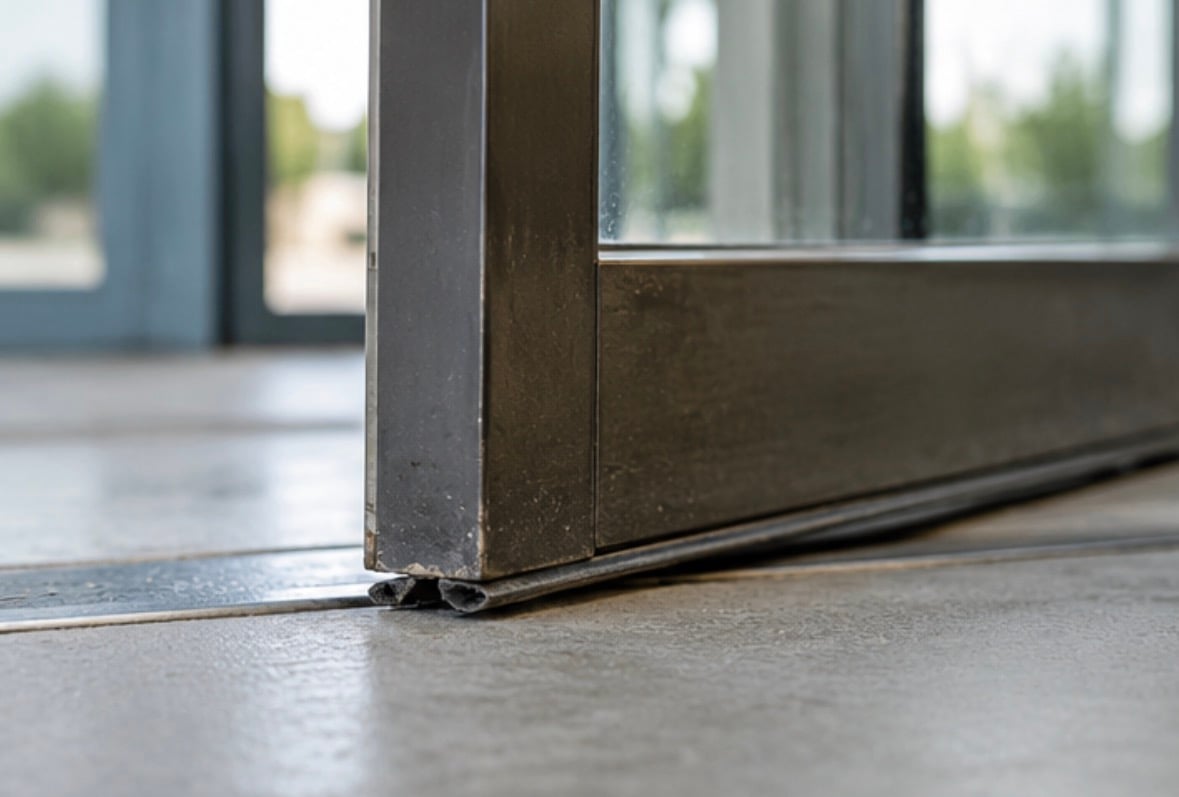
A commercial door that suddenly requires more force to close is usually giving you a clue that something has changed in the door assembly. The problem may involve the hinges, frame, closer, threshold, or alignment rather than the door itself. Finding the specific point of resistance is important because the right repair depends on how and where the door is struggling.
Traffic volume can accelerate these problems, especially at entrances that open and close throughout the business day. A busy retail entrance, office lobby, or commercial facility can put considerably more demand on hinges, closers, locks, and other hardware than a low-traffic interior door. That is why regular attention to commercial entrance doors can help address small operating problems before they interfere with employees, customers, or building security.
Diagnosing a sticking door means looking at the door, the frame, and the hardware as one assembly. Replacing a closer on a door hung in a racked frame will not fix anything, and it is one of the most common ways to spend money on the same problem twice.
The symptoms below are the ones commercial door technicians encounter most often. Each points toward a likely source, though an on-site inspection is what actually confirms it.
| What You Notice | What It Often Points To |
|---|---|
| The door drags along the floor | Worn hinges, a sagging door, or a failed threshold. |
| It scrapes at the top corner | Frame movement or hinge screws pulling loose from the jamb. |
| It closes too slowly or slams shut | A door closer that has lost pressure or needs adjustment. |
| It shuts fully but will not latch | Strike plate misalignment or a frame that has shifted. |
| Daylight is visible around the edges | A racked frame or failed weatherstripping. |
| Rust or flaking appears at the base | Moisture damage to a hollow metal door or its frame. |
The frame is the piece most often overlooked. A door can be in genuinely good condition and still operate badly if the frame has shifted, and no amount of hardware adjustment will correct a frame that is out of square.
When Is Commercial Door Repair Still the Right Call?
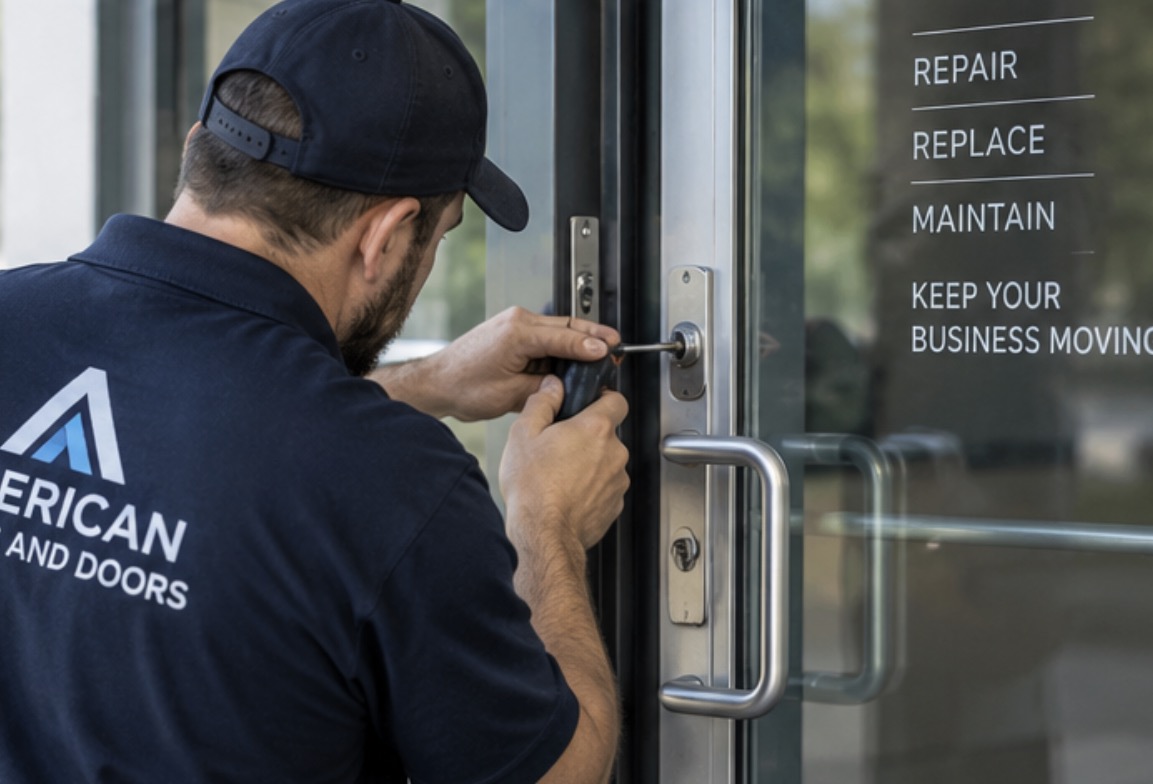
Repair is often the practical choice when the door and frame are still in good condition and the problem can be traced to a specific component. Commercial doors are designed for ongoing service, so a failed part can often be replaced without replacing the entire door assembly.
Hardware Is the Problem
Closers, hinges, pivots, locks, panic bars, and thresholds can wear independently from the door itself. If one of these components is causing the problem, replacing or adjusting it may restore proper operation without disturbing the door slab or frame.
The Frame Is Still Sound
If the frame remains square, firmly anchored, and free from significant damage, alignment issues can often be corrected. A door that drags, sticks, or fails to close properly may simply need adjustment rather than complete replacement.
The Door Is Otherwise Solid
Normal wear does not automatically mean a commercial door has reached the end of its service life. Loose sweeps, worn strike plates, damaged seals, or surface wear can often be addressed while the existing door remains in service.
Replacement Parts Are Available
Standard commercial hardware is generally easier to source, which can make repairs more straightforward. Older or proprietary systems can be different, especially when a specific closer, lock, or other component has been discontinued.
The most useful way to make this decision is to have the door inspected rather than relying on a description over the phone. An on-site assessment can identify whether the issue is limited to hardware or points to a larger problem. If repair is the right option, our commercial door repair services can address the underlying issue without replacing components that are still performing properly.
When Does Commercial Door Replacement Become the Better Investment?
Replacement makes sense when repairs stop holding, when the door no longer meets code, or when the cost of keeping it serviceable starts approaching the cost of a new one. On high-traffic commercial entrance doors, that point tends to arrive sooner than most owners expect.
Security, energy loss, and accessibility requirements all weigh in alongside the repair cost. A door that closes but does not seal or latch reliably is a liability regardless of how recently it was serviced.
| Situation | Why Replacement Often Makes More Sense |
|---|---|
| The same repair keeps coming back | Repeat failures usually indicate a structural issue hardware cannot fix. |
| The frame is bent, racked, or corroded | A compromised frame will keep pulling a new door out of alignment. |
| The door no longer meets fire or exit code | Non-compliant doors can create inspection findings and liability exposure. |
| Hardware or parts are discontinued | Sourcing obsolete components can cost more than a new door assembly. |
| Air and water are getting past the seal | Persistent leaks raise energy costs and damage the surrounding structure. |
| Security requirements have changed | A new installation can incorporate stronger hardware or safety glass. |
Replacement is also the point at which you can correct problems the original installation created. Measuring the opening properly, squaring the frame, and specifying hardware for your actual traffic volume is what stops the cycle from simply repeating.
What Happens During a Commercial Door Service Call?
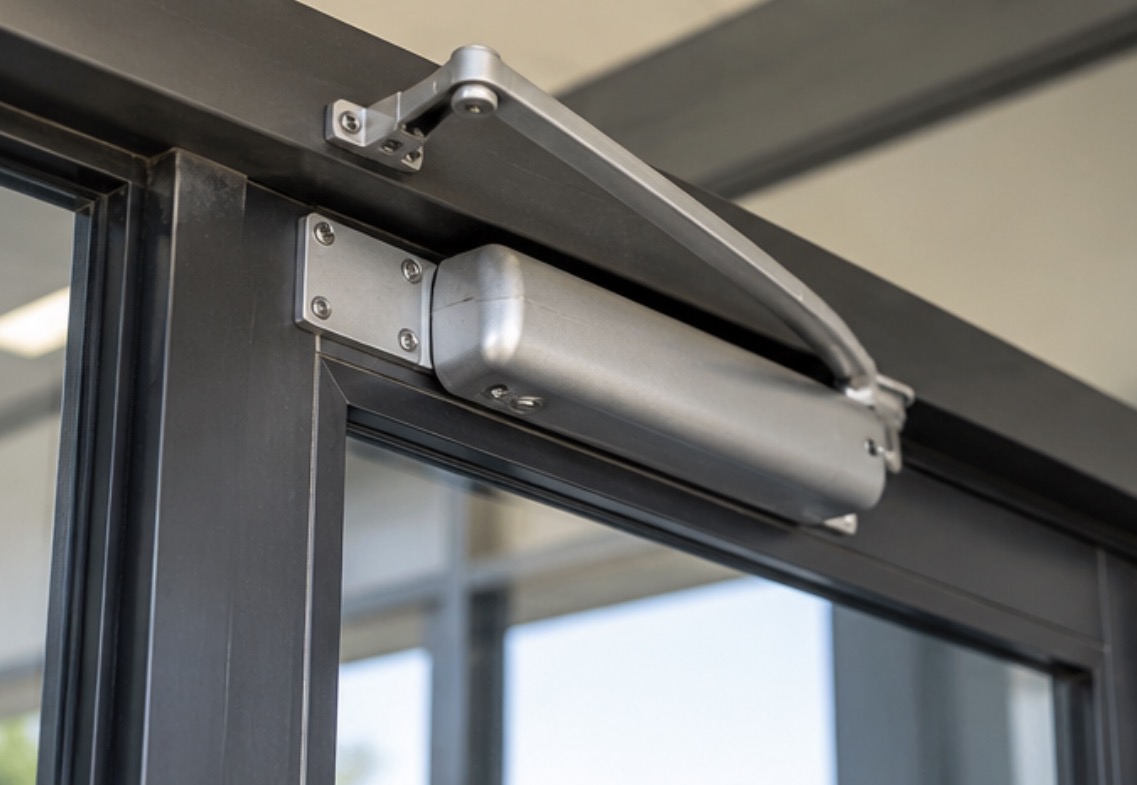
A good service call starts with what employees and customers have been experiencing and how heavily the entrance is used, then inspects the door, frame, and hardware together. Before any work begins, you should get a clear scope: what is being repaired, which parts are being replaced, and why. That lets you plan the work around your operations instead of paying for repeat visits to the same problem.
How Does a Failing Door Affect Security, Energy Costs, and Compliance?
A door that does not latch reliably is a security gap, whether or not it looks closed from across the room. Insurers and landlords generally expect entrances to secure properly, and a door that has to be forced shut is often the first thing noted after an incident.
The energy cost is quieter but constant. Daylight visible around a door means conditioned air is leaving the building every hour you are open, and that gap usually widens as the frame continues to shift.
Compliance matters most on fire-rated and exit doors, which must close and latch on their own to do their job. A closer that has been adjusted to compensate for a dragging door can leave the whole assembly out of compliance without anyone noticing.
How Long Can You Wait Before It Becomes Urgent?
A stiff door is not usually an emergency, but it rarely stays a minor issue either. The same misalignment that makes a door hard to close puts extra load on the hinges and closer, so the repair list tends to grow the longer it waits.
The point to act is when the door stops latching on its own, when staff have to pull or shoulder it, or when you can see daylight through the edges. Those are the signs the frame or hardware has moved far enough to affect security rather than just convenience.
If a door fails completely outside business hours, securing the opening comes first. An emergency board-up can hold the entrance overnight until the door and frame can be properly repaired or replaced.
FAQs
Can a commercial door that drags on the floor be repaired?
Often, yes. Dragging can result from alignment issues, worn hinges, a shifted frame, threshold problems, or other hardware-related issues. A technician should identify the cause before adjusting the door because correcting the wrong component may only provide a temporary improvement.
How do I know if my commercial door closer needs adjustment or replacement?
If the door closes too quickly, too slowly, or fails to latch consistently, the closer may need adjustment or servicing. However, leaking fluid, damaged components, or a closer that can no longer maintain proper operation may indicate that replacement is more appropriate.
Why won’t my commercial door close all the way?
The most common causes are a closer that needs adjustment or is leaking fluid, hinges that have worn or loosened, a frame that has shifted out of square, a strike plate out of line with the latch, or a threshold or sweep that is catching. A technician should find the exact point of resistance before adjusting anything.
What should I do if my commercial entrance will not lock properly?
Treat the problem as a security issue rather than simply a convenience problem. Avoid forcing the lock or repeatedly slamming the door, and have the lock, strike, alignment, frame, and surrounding hardware inspected to determine why the locking mechanism is not engaging correctly.
How urgent is a commercial door that is hard to close?
It is usually not an emergency, but it should be scheduled soon. Act quickly if the door no longer latches on its own, staff have to force it shut, or daylight shows around the edges, because those signs affect security. Fire-rated and exit doors that do not close and latch on their own need attention right away.
Why Choose American Glass and Doors for Commercial Door Repair in Washington DC?
A commercial door only works when the door, the frame, and the hardware are right together. At American Glass and Doors, we inspect all three on-site before recommending anything, because a diagnosis made over the phone tends to cost you a second visit.
Serving Washington DC, Maryland, and Northern Virginia since 2018, our licensed, bonded, and insured team handles hollow metal, aluminum, frameless, and automatic doors. Same-day dispatch is available for urgent repairs, and we back our door repairs with a warranty. If a repair will hold, we will tell you rather than sell you a commercial door replacement you do not need.
Whether your entrance needs an adjustment, new hardware, or a full commercial door installation, our team can give you a straight answer. Call (571) 583-8882 to reach a live dispatcher and schedule a service call.