



Commercial Door Installation Washington DC: Expert Aluminum, Glass, and Hollow Metal Door Solutions for Businesses
When you walk into a business in Washington DC, what’s the first thing you notice? Often, it’s the door. A sleek, sturdy, or stylish door sets the tone for the entire space. Whether you’re running a retail shop, an office, or a warehouse, choosing the right door matters. That’s where commercial door installation services in DC play a pivotal role in helping businesses make a strong first impression while ensuring security and functionality. At American Glass and Doors, we’ve seen firsthand how the right door can transform a business. Let’s explore why aluminum, glass, and hollow metal doors are top choices for DC businesses and how they meet diverse needs.
What Are the Benefits of Commercial Door Installation for DC Businesses?
Commercial door installation in Washington DC delivers security, thermal performance, fire protection, and aesthetic appeal in one integrated solution. Properly installed doors minimize heat loss, meet local safety regulations, and reinforce a professional image that clients trust.
Aluminum Doors Enhance Energy Efficiency and Durability
Aluminum doors offer a lightweight yet strong barrier that resists corrosion and delivers top-tier thermal insulation through thermal break technology. By incorporating insulated cores and multi-point locking, these doors reduce heating and cooling costs by up to 20% and withstand heavy foot traffic without warping or rusting.
For instance, an anodized aluminum entry door retains consistent performance in humid DC summers while maintaining a sleek, modern façade. Their combination of endurance and low maintenance ensures businesses can focus on operations rather than door upkeep.
Why Choose Glass Doors for Storefront Aesthetics and Security?
Glass doors create inviting storefronts that leverage natural light to enhance product displays and customer experience. Tempered and laminated glass options combine transparency with impact resistance, achieving both visibility and protection against forced entry. Glass systems with concealed hardware and minimal framing expand sightlines while integrating seamlessly with access control systems. The result is a storefront that projects professionalism and maximizes daylight, which studies show can improve retail sales by as much as 15%.
What Security and Fire Safety Features Do Hollow Metal Doors Provide?

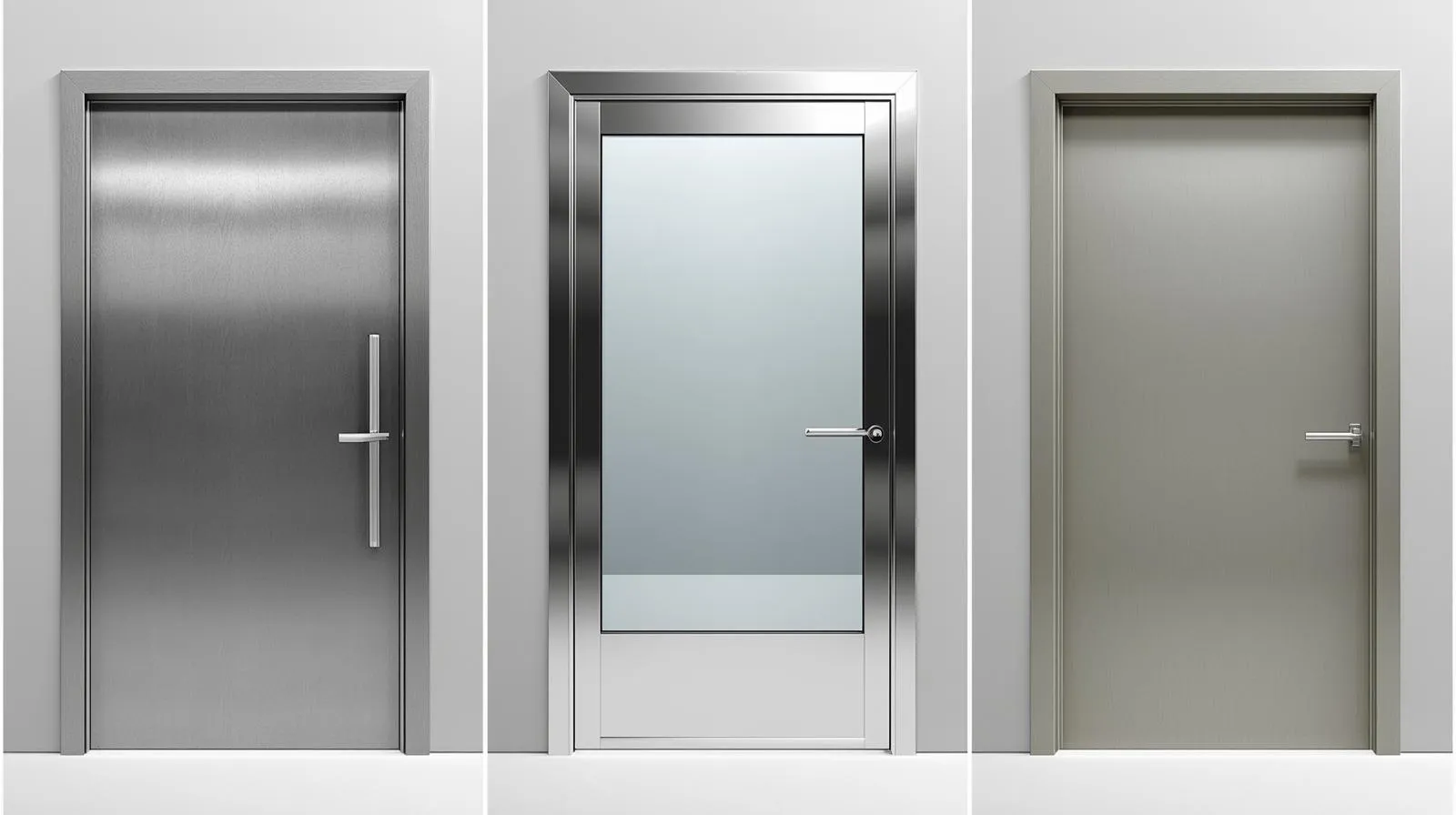
Hollow metal doors deliver unmatched security, fire resistance, and longevity for high-risk or heavy-duty applications. Constructed from steel skins over a reinforced core, these doors withstand major impact and can be fitted with fire-rated ratings up to three hours. Combined with heavy-duty hinges, multi-point locking hardware, and integrated panic bars, they safeguard back-of-house areas, mechanical rooms, and exit routes. Their robust design supports ADA-compliant thresholds and seals, ensuring occupant safety and code compliance even under extreme conditions.
Fire Resistance and Durability of Hollow Metal Doors
Hollow metal doors are recognized for their superior fire resistance, with ratings typically ranging from 20 minutes to 3 hours, depending on the specific application and assembly. They are the only door material regularly granted a three-hour fire label, making them a preferred choice for commercial and industrial settings where fire safety and containment are critical.
This information directly verifies the article’s statement regarding the unmatched fire resistance and longevity of hollow metal doors, including their ability to achieve fire-rated ratings up to three hours.
Which Types of Commercial Doors Are Best Suited for Washington DC Businesses?
Washington DC’s diverse commercial landscape demands doors tailored to specific environments, from storefronts to warehouses. Matching door type to application ensures performance, security, and code adherence.
| Material | Security Level | Energy Efficiency | Typical Use |
|---|---|---|---|
| Aluminum | Medium | High | Retail facades, offices |
| Glass | Medium–High | Medium | Showrooms, lobbies |
| Hollow Metal | Very High | Low–Medium | Warehouses, mechanical rooms |
Variations of Aluminum Commercial Doors in DC
Aluminum commercial doors come in storefront, flush, and custom panel configurations to match architectural styles and performance needs. Storefront systems include thermal break frames and insulated cores suitable for retail and office entrances. Flush doors offer smooth surfaces ideal for corporate interiors, while custom panels integrate louvers, windows, or push bars for specialized applications. Finishes range from anodized silver to powder-coated bronze, allowing seamless branding integration without sacrificing resilience against corrosion or daily wear.
Key Features of Commercial Glass Doors in DC
Commercial glass doors feature tempered or laminated panels, stainless steel or aluminum frames, and optional automatic openers for hands-free access. Safety glass meets ANSI and CAN standards, while frameless or minimal-frame options deliver a modern look. Many systems include weather seals and low-E coatings to balance energy performance with transparency. Integrated electric strikes and magnetic locks support card readers or biometric devices, keeping foot traffic secure and efficient within busy DC corridors.
How Do Fire-Rated and Industrial Hollow Metal Doors Differ?
Fire-rated hollow metal doors use mineral-filled cores and intumescent seals to contain flames and smoke for up to three hours, meeting UL and NFPA standards for egress routes. Industrial hollow metal doors emphasize impact tolerance and corrosion resistance, featuring galvanized steel skins, reinforced edges, and heavy-gauge frames. Fire-rated models prioritize building safety and compartmentalization, while industrial variants focus on vandal resistance and longevity in high-traffic or exposure-prone environments.
How Does the Commercial Door Installation Process Work in Washington DC?
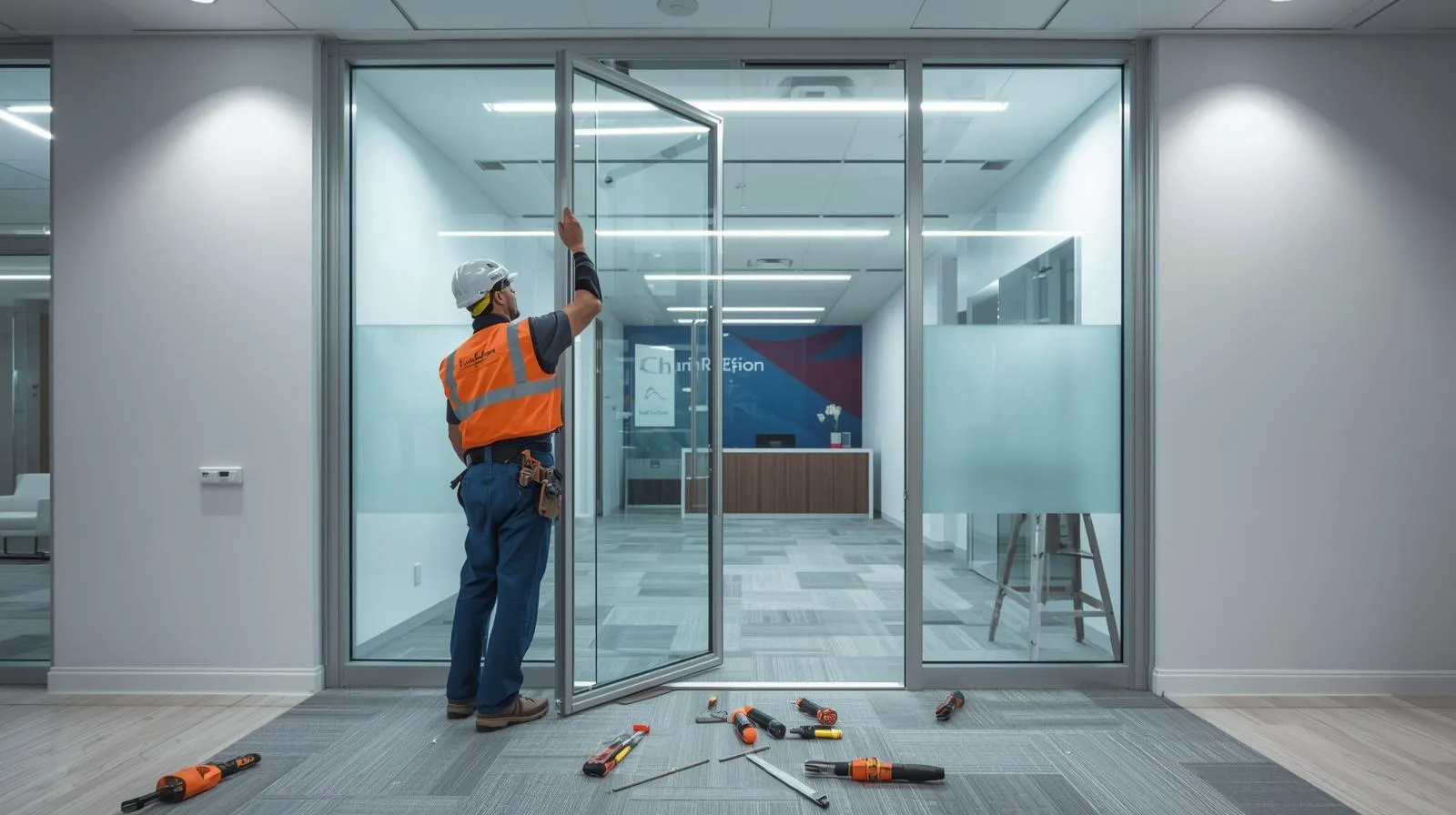
Steps Involved in Professional Door Installation in DC
- Site Assessment and Measurements – Technicians verify dimensions, frame condition, and code requirements.
- Material Selection and Fabrication – Custom doors and frames are crafted to spec and chosen finishes.
- Preparation and Removal – Existing doors and hardware are removed, surfaces prepped, and structural adjustments made.
- Installation and Alignment – Frames are set, doors hung, and operations tested for smooth opening and closing.
- Hardware Integration – Locks, closers, panic bars, and access controls are installed and calibrated.
- Final Inspection and Handover – Code compliance, functionality tests, and client orientation on proper use.
How Do Expert Technicians Ensure Code Compliance and Quality?
Technicians adhere to DC building codes, ADA accessibility guidelines, and NFPA fire safety standards by verifying door ratings, clearances, and threshold transitions. Precision leveling tools confirm plumb and square installations, while hardware calibration ensures correct egress forces. Quality checks include weather infiltration testing for storefronts and smoke seal inspections for fire doors, eliminating callbacks and establishing long-term performance.
Post-Installation Support and Maintenance Services
Ongoing maintenance plans typically include:
- Annual inspections for alignment, seal integrity, and hardware wear.
- Preventive lubrication and adjustment of closers, hinges, and locking mechanisms.
- 24/7 emergency repair availability to address unexpected failures.
- Seal and gasket replacement to preserve energy efficiency and fire ratings.
What Commercial Door Repair and Replacement Services Are Available in DC?
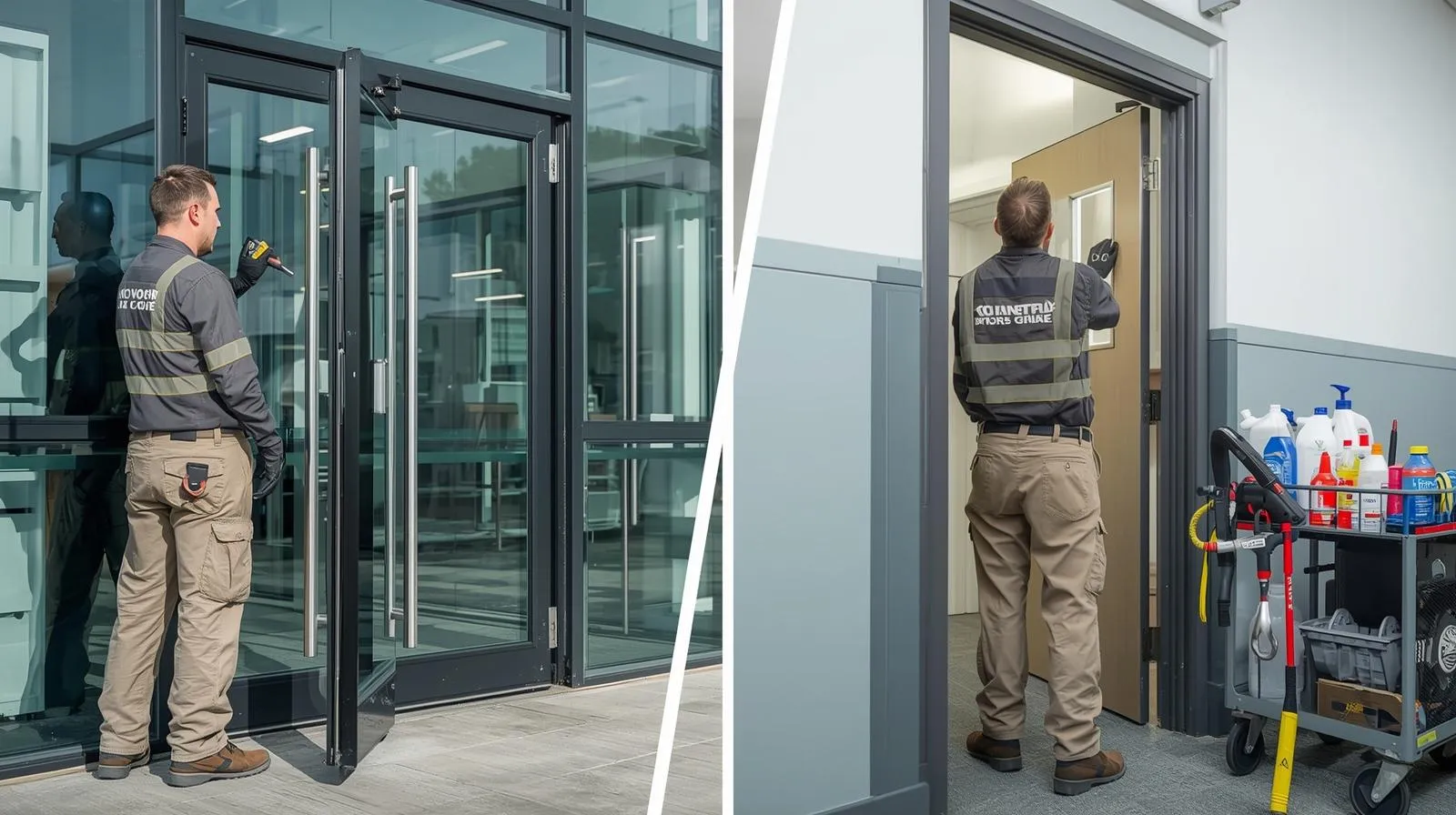
Seasonal wear, vandalism, or mechanical failures can compromise door performance. Repair and replacement services restore functionality and reliability across all door types.
When Is Emergency Commercial Door Repair Necessary?
Emergency repair becomes critical when doors fail to close, lock, or seal properly, exposing properties to security risks, energy loss, or code violations. Common triggers include broken glass, hydraulic closer leaks, jammed locking mechanisms, or damaged frames. Rapid response prevents unauthorized access and safeguards operations in high-traffic environments.
Door Closers and Hardware: Repair or Replace?
Technicians examine hydraulic closers, adjusting tension and replacing seals or pistons when leaks occur. Panic bars and exit devices undergo spring and latch replacement to restore proper egress performance. Lock cylinders, electric strikes, and magnetic locks are rekeyed or swapped to resolve access issues. This targeted approach extends component lifespans and upholds safety standards.
Signs That Indicate Door Replacement Is Needed
- Visible warping, rust, or structural damage to frames.
- Persistent air or water infiltration despite seal repairs.
- Incompatibility with modern hardware or access systems.
- Fire-rated doors failing annual certification.
Early recognition allows businesses to plan budget-friendly upgrades before security breaches or code infractions occur.
How Do Commercial Door Hardware and Accessories Enhance Door Functionality?
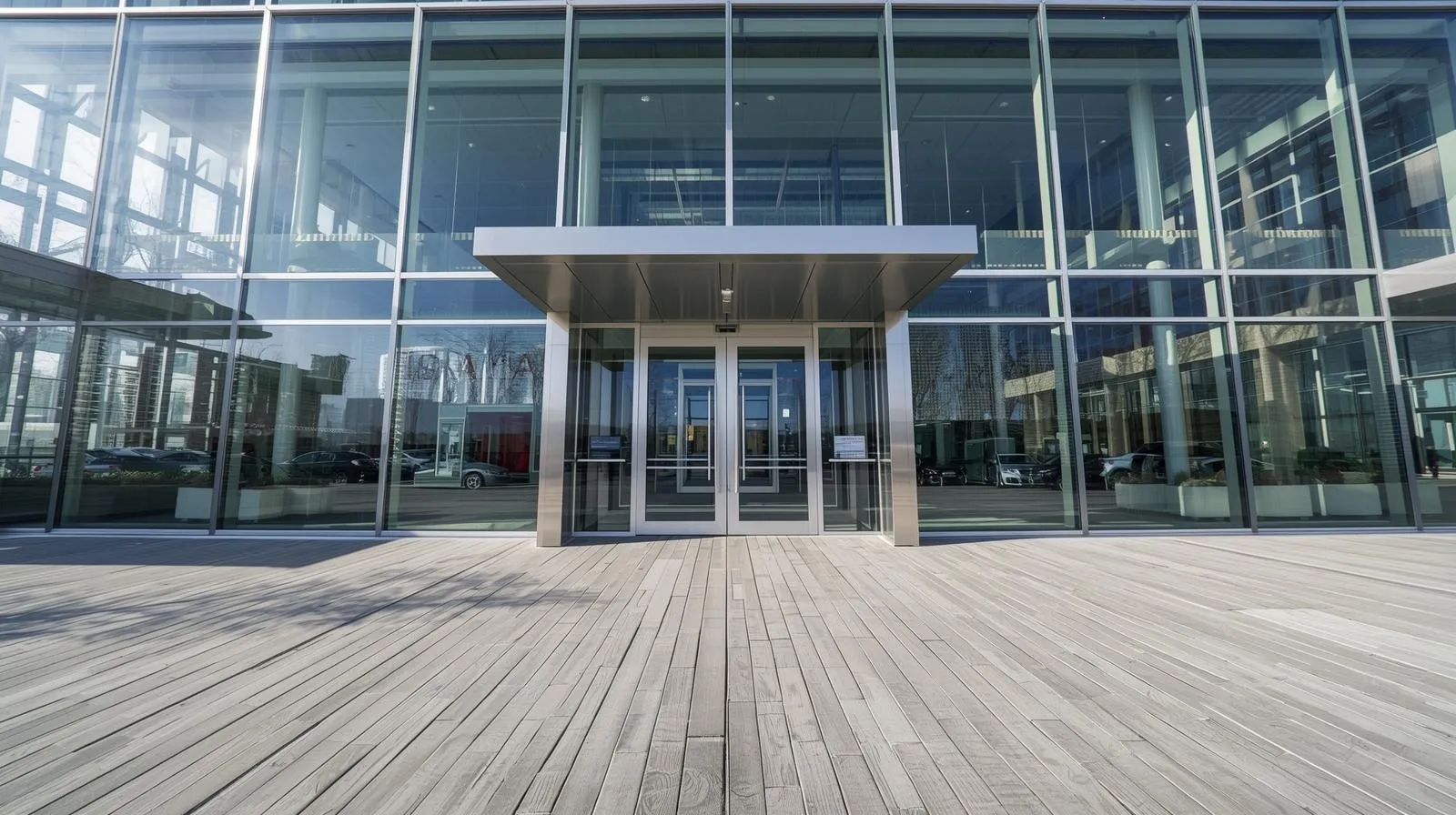
High-quality hardware transforms doors into integrated security and access solutions within commercial workflows.
Benefits of Door Closers and Panic Bars for Businesses
Door closers manage controlled closing speed and secure latching to conserve energy and maintain fire safety, while panic bars provide intuitive egress in emergencies, reducing exit time and meeting life-safety codes. Together, they ensure smooth traffic flow, support ADA opening force limits, and reinforce perimeter protection.
Control Systems Integration with Commercial Doors
Access control modules—card readers, keypads, and biometric scanners—interface with electric strikes or magnetic locks to regulate entry. Centralized management software tracks credentials, logs activity for audits, and enables remote locking or unlocking. Integration with fire alarm systems ensures automatic door release during safety events, aligning security with compliance.
Hardware Options Supporting ADA Compliance and Safety
ADA-compliant solutions include lever handles, reduced-force closers, threshold ramps, and automatic door operators. These features accommodate users with mobility challenges while preserving security standards. Installing adjustable strikes and tamper-resistant hinges creates accessible, inclusive entryways without sacrificing durability.
ADA Compliance Requirements for Commercial Doors
Commercial doors must adhere to Americans with Disabilities Act (ADA) standards, which mandate a clear opening width of at least 32 inches when the door is open 90 degrees. Additionally, door hardware must be operable with one hand without requiring tight grasping, pinching, or twisting, with lever-style handles being the standard. Interior doors should not require more than 5 pounds of force to open.
Which Industries in Washington DC Benefit Most from Commercial Door Installation?
Retail Stores Use Aluminum and Glass Doors for Customer Appeal
Retail environments use aluminum storefront frames with expansive glass panels to showcase products, invite foot traffic, and create a seamless transition from sidewalk to showroom. High-performance glazing reduces solar heat gain, enhances display visibility, and improves shopper comfort.
Hollow Metal Doors for Warehouses and Industrial Facilities
Warehouses require security and durability to protect inventory and machinery. Hollow metal doors withstand impacts from forklifts, incorporate high-security locks, and seal tightly to maintain controlled environments. Their fire-rated variants safeguard exit routes and equipment storage areas.
Door Solutions for Medical and Office Buildings
Medical and office settings prioritize hygiene, access auditing, and quiet operation. Glass doors with antimicrobial coatings, automatic operators for touchless entry, and integrated access control ensure patient safety and data confidentiality. Sound-dampening frames support private consultations and reduce corridor noise.
The Future of Commercial Doors in Washington DC
As DC grows, so do the demands on commercial spaces. Smart doors with automated systems are gaining traction, offering touchless entry for hygiene-conscious businesses. Commercial automatic door repair in DC is becoming a key service as these technologies spread. Energy-efficient glass, like LOW-E, is also on the rise, cutting heating and cooling costs by up to 15%. At American Glass and Doors, we’re ready to help you stay ahead with cutting-edge solutions tailored to your needs.
Choosing the right door for your DC business isn’t just about function—it’s about making a statement, ensuring safety, and saving money in the long run. Whether you opt for the sleek look of commercial glass entry doors in Washington DC, the durability of hollow metal, or the versatility of aluminum, professional installation is the key to success. Ready to upgrade your business’s entrance? Contact us for a free estimate, and let’s find the perfect door to elevate your space.